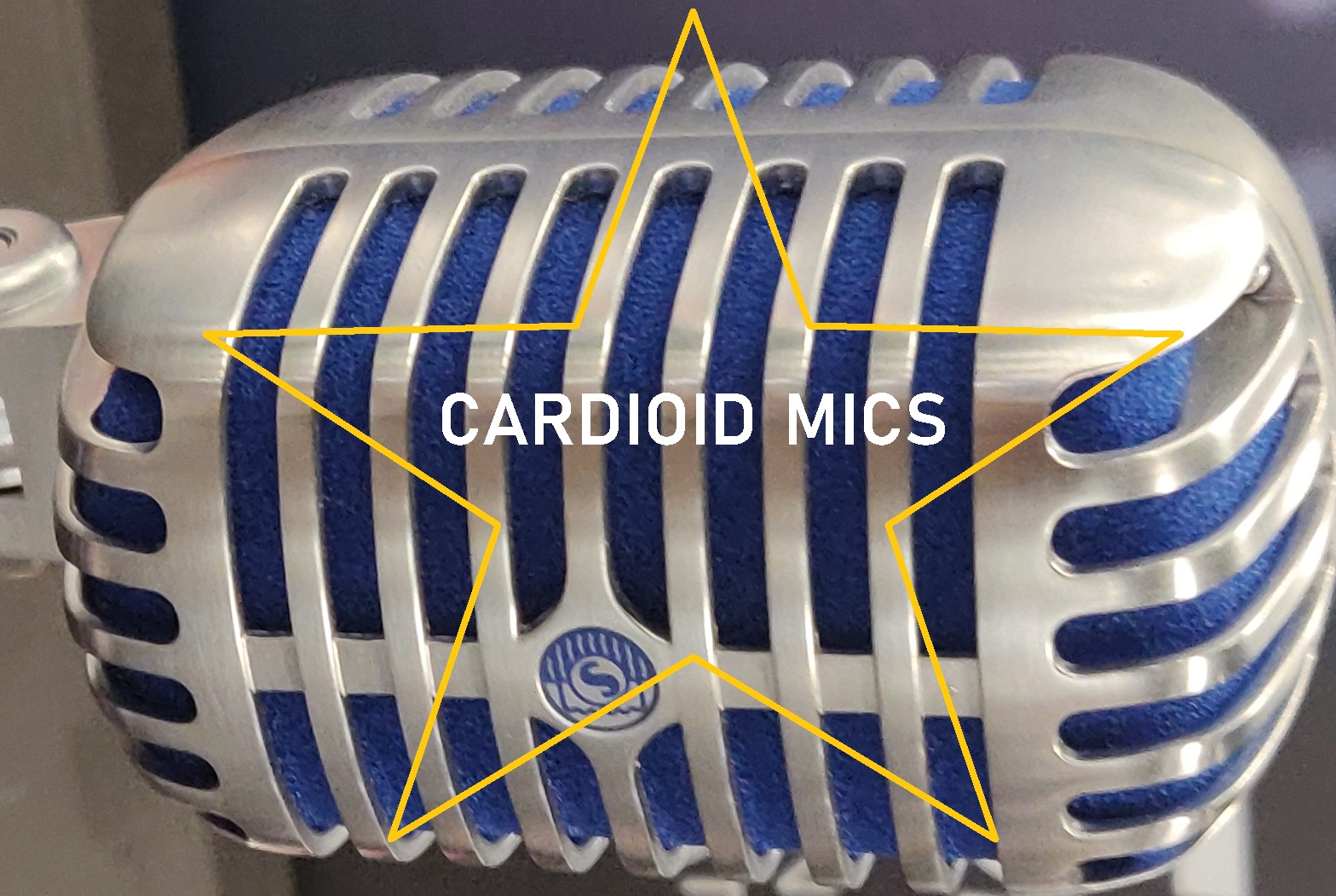
Musicians and hobbyists hold strong opinions on what microphones are best.
Cardioid microphones carry a cult-like following centered around price, quality and looks. There are two types of microphones- A condenser microphone which uses a capacitor to produce audio signals which makes it great for recording vocals, and a dynamic microphone which uses a diaphragm attached to a wire coil and magnet to produce an audio signal optimal for percussive instruments and occasionally vocals.
“Pickup patterns are like the inverse of lights (since light shines out but sound radiates towards a mic),” stated NPR broadcast recording technician Neil Tevault. “A cardioid mic is a like a flashlight, shining forward in a wide but focused pattern and blocking light behind.”
A good cardioid microphone has a large frequency range with crisp sound and a high sound pressure level. This list takes into account sound quality, price point and versatility.
- 1. AKG C214 ($349.99)
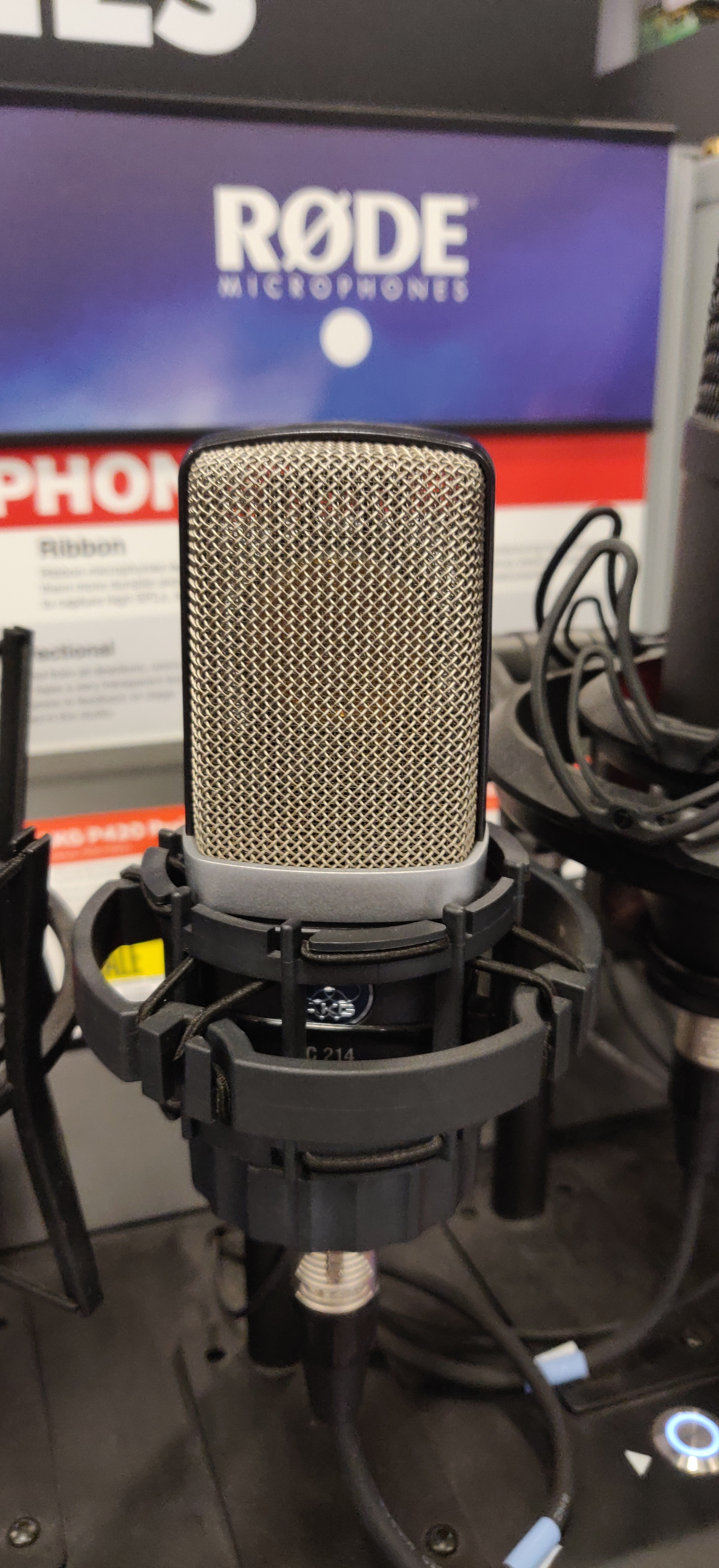
photo use granted by photographer Harrison Copeland
The AKG C214 lands in first place, mostly for incorporating value, looks and sound quality with the features to back it up. The C214 features an large dynamic range, a sleek and sturdy body, a switchable 20db attenuator and bass-cut filter and a large diaphragm which is suspended within the housing to create less vibrations. The C214 works best for studio vocals but can be used for recording instruments with positive results due to it’s cardioid pattern and wide frequency response. The C214 is a condenser microphone with a large dynamic dB range(156spl) which makes the C214 suited for both instrument and vocal recording- a must-have for audio engineers.
Specifications:
- Type: Condenser
- Polar Pattern: Cardioid
- Frequency Response: 20 to 20,000 Hz
- Impedance: 200 ohms
- Maximum SPL: 136 dB
- Attenuation Pad: 20 dB
- Low-cut Filters: 160Hz, 6dB/Octave
- Power Requirements: 12V to 52V phantom power
- weight: 280.00 g
- 2. Rode NT1 ($229)
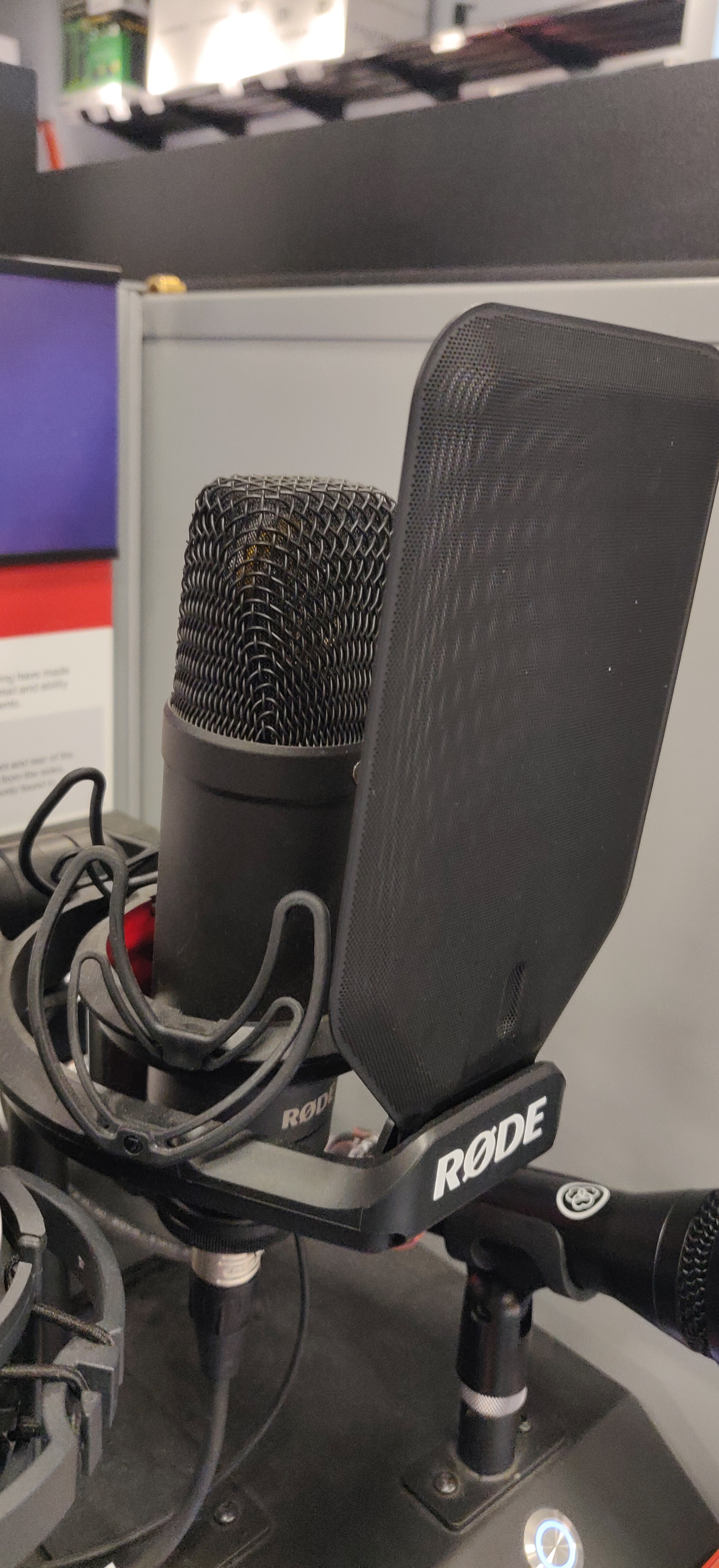
photo use granted by photographer Harrison Copeland
The Rode NT1 comes in at second place, mostly for being the cheapest microphone on this list with a detailed mid and high range for vocals and having the build quality of a microphone double it’s price. The NT1 comes with a premium shock mount, pop filter, cable and microphone dust cover, making it a good value. But the NT1 is not just about quantity, it’s audio and build quality outshine any microphone in this price point. The body is coated in military-grade ceramic, and the condenser(capacitor) is suspended inside the microphone using Rycote’s industry-leading Lyre system which minimizes vibrations within the microphone.
“Lyres® are a unique Rycote suspension design superseding older elastic and silicone o-ring solutions,” Rycote spokesman Mark Ferguson said.
- Type: Condenser
- Polar pattern: Cardioid
- Frequency Response: 20 to 20,000 Hz
- Impedance: 100 ohms
- Maximum SPL: 132 dB
- Equivalent Noise Level (A-weighted): 4 dBA
- Power Requirements: 24V to 48V phantom power
- weight: 440 g
- 3. Shure SM7B ($399)
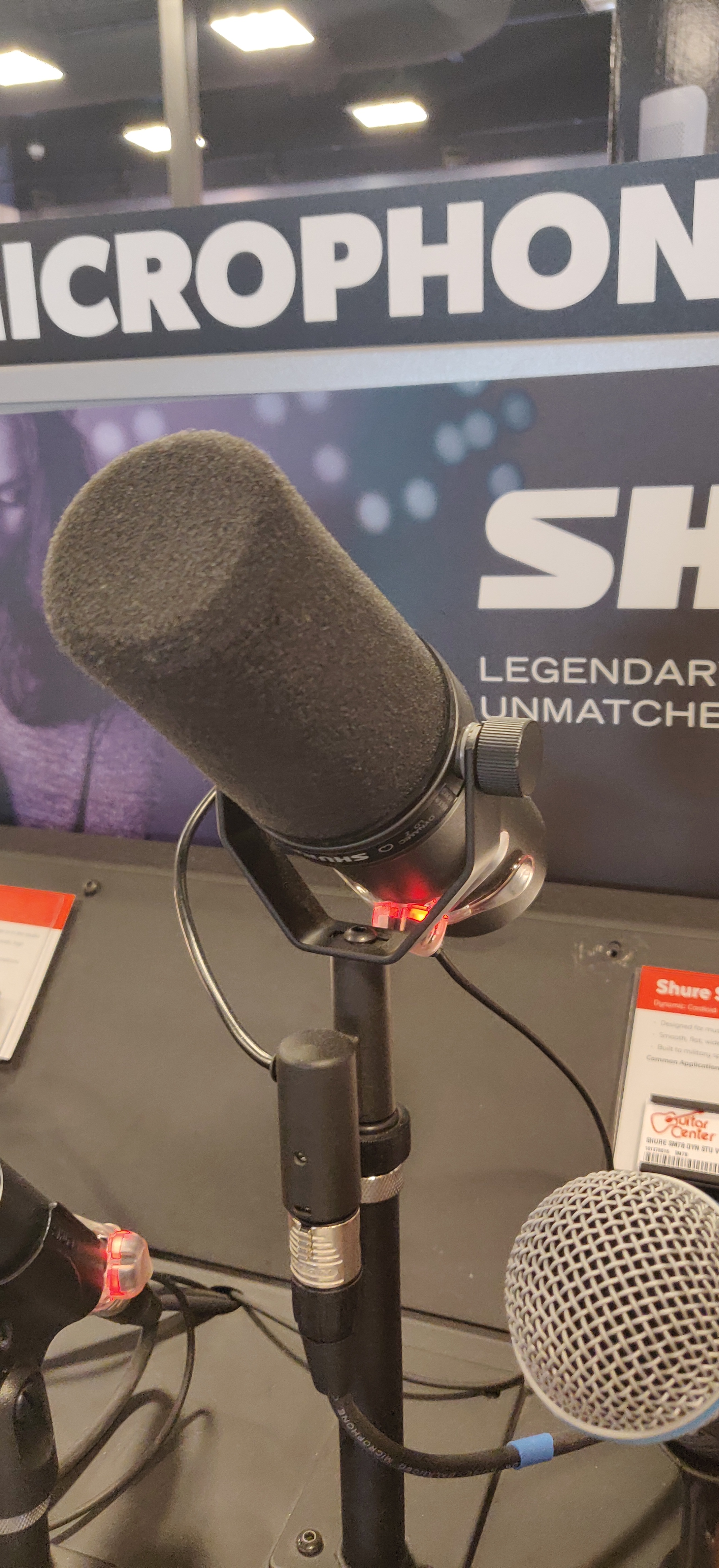
photo use granted by photographer Harrison Copeland
The Shure SM7B places third, mostly due to it’s high cost and muddy high-end suited less for serious singing and more for podcasting or recording acoustic instruments- which it does amazingly.
“The SM7B doesn’t have a shimmering top end like many condenser microphones but it does capture great mid-range and low tones across a variety of sources,” stated Pro Tools Expert deputy editor Dan Cooper, “The cardioid pattern makes this microphone an essential tool capturing dry performances in reverberant rooms.”
The SM7B can be used for music, but creates a different sound due to the moving coil(dynamic) interacting better with lower frequencies as opposed to high ones. This microphone is a must-have for the podcaster or percussive musician and will do the trick for certain vocals but falls short more often than not as the SM7B is a one-trick pony.
Specifications
- Type: Dynamic
- Polar Pattern: Cardioid
- Frequency Response: 50 to 20,000z Hz
- Impedance: 150 ohms
- Maximum SPL: 94 dB
- Hum Pickup: 11 dB
- Polarity: Positive pressure on diaphragm produces positive voltage on pin 2 with respect to pin 3
- Power Requirements: none
- weight: 766.57 g
-
4. Blue Bluebird SL ($299.99)
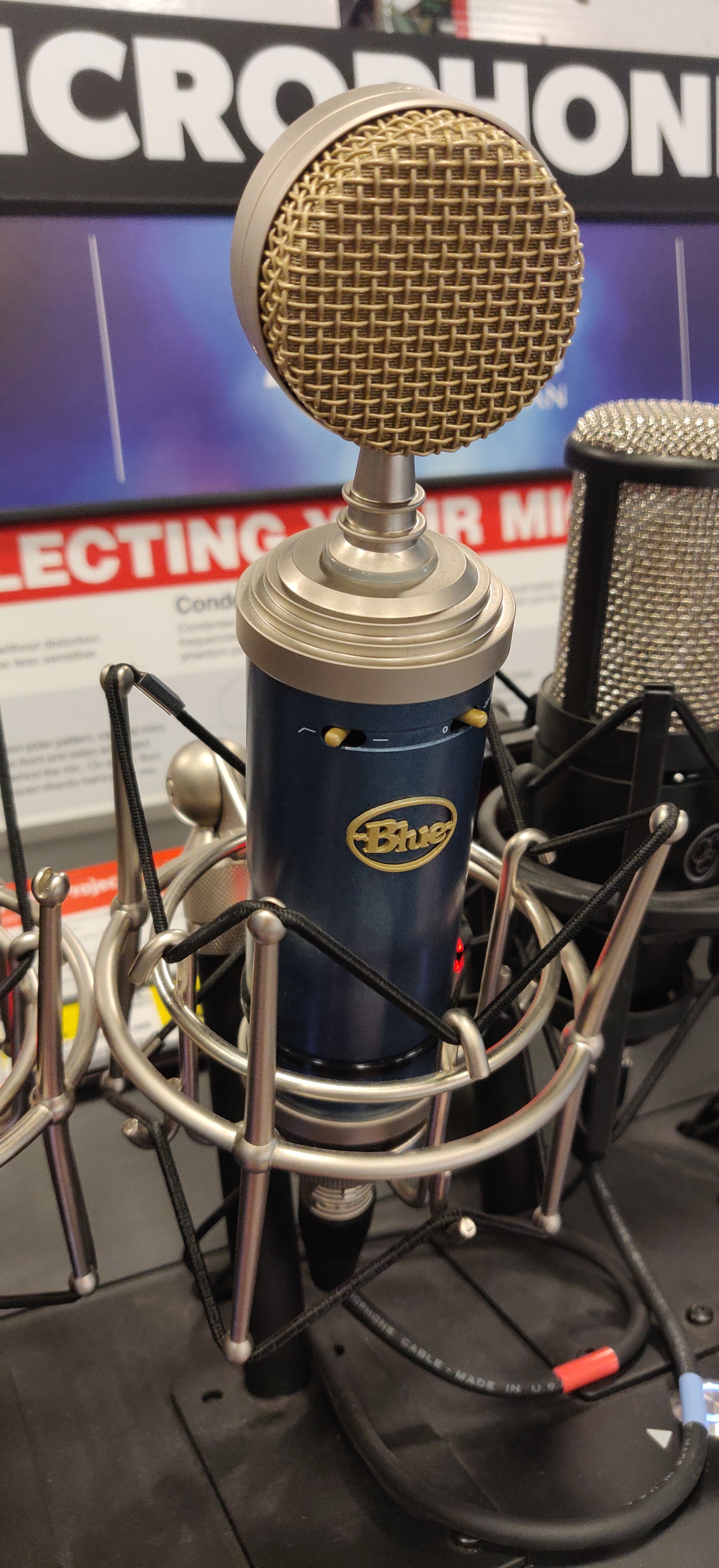
photo use granted by photographer Harrison Copeland
The Blue Bluebird SL takes fourth place, due to the clear and smooth low, medium and high end, as well as versatility and retro look. The Bluebird does everything a condenser is supposed to very well and can record vocals or instruments, making it an ideal jack-of-all-trades. Although the Bluebird has many positives, the interior build quality is sub-par and can possibly result in a tinny/ringing sound over time. There are better options at this price point with better build quality.
Specifications
- Type: Condenser
- Polar Pattern: Cardioid
- Frequency Response: 20 to 20,000 Hz
- Impedance: 50 ohms
- Maximum SPL: 138 dB
- Attenuation Pad: 20 dB
- Low-cut Filters: 100 Hz
- Power Requirements: 48V+ DC Phantom Power
- Weight: 455 g
5. Shure Super 55 ($249)
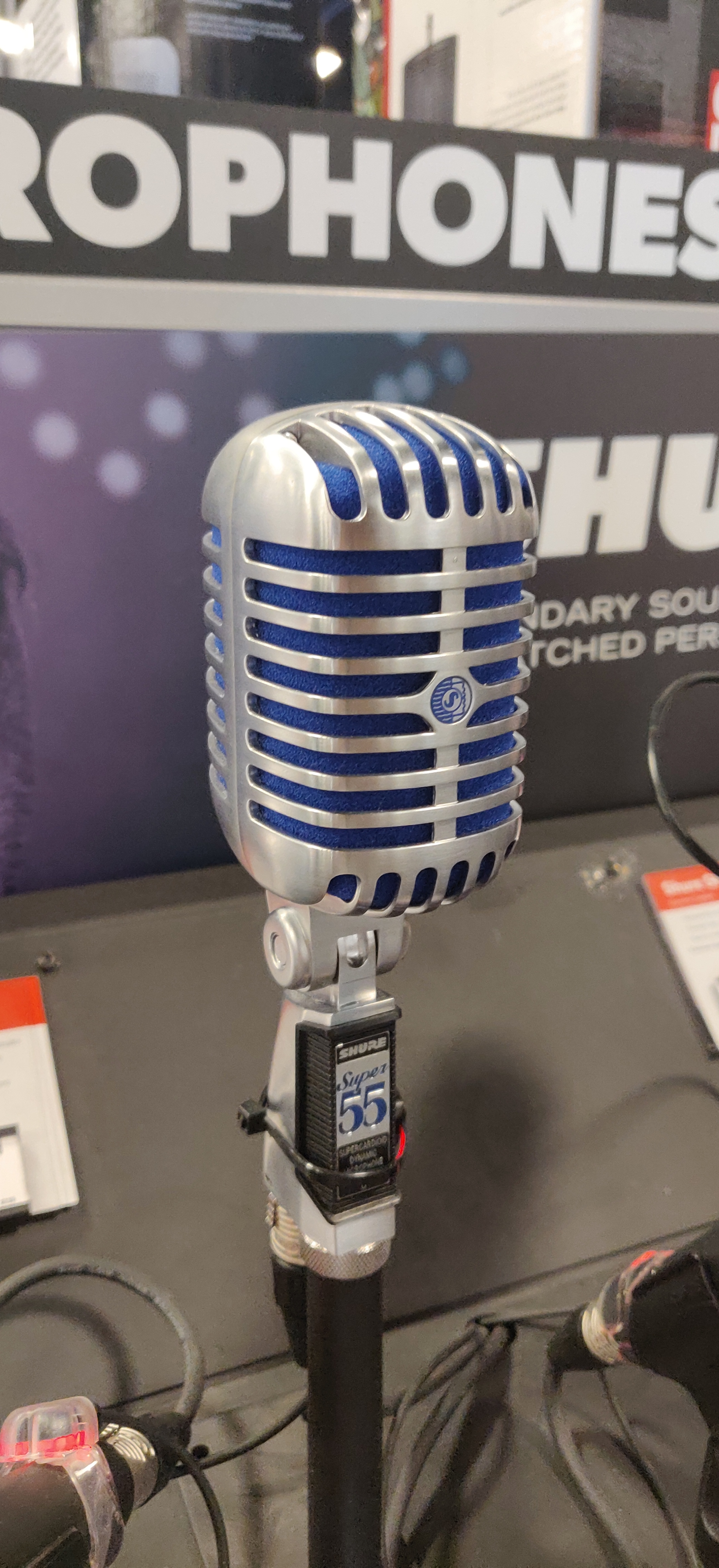
photo use granted by photographer Harrison Copeland
The beautiful and retro Shure Super 55 scores last place due to it’s lack of versatility, high price tag for it’s abilities and requiring preamps and audio mixing to sound adequate anywhere but on a stage. The Super 55 projects a vintage sound with a silky low-end making the Super 55 perfect for live performances and a favorite of podcasters and youtubers, but creates a muffled and weak high-end for studio vocals. Although it requires additional gear to get sounding adequate for recorded vocals, the Super 55 does it’s job amazingly for live vocal performances such as concerts or talk shows. It’s superrcardioid pattern means that background noise will not interfere, and the rugged die casted body helps with durability.
“Overall, if you are looking for some retro style on stage but want to have the sound quality of a modern microphone, Shure’s Super 55 is an excellent microphone,” said VoiceCouncil Magazine resident tech expert Chris Kennedy.
Specifications
- Type: Dynamic
- Polar Pattern: Supercardioid
- Frequency Response: 60 to 17,000 Hz
- Impedance: 150 ohms
- Maximum SPL: 94 dB
- Polarity: Positive pressure on diaphragm produces positive voltage on pin 2 with respect to pin 3
- Weight: 656 g
Cardioid microphones come in many different shapes, sizes and prices. All of the above microphones do a job differently, but they all do their vocal job well. Considering each microphone’s strengths and weaknesses, they will all perform well if used for their strengths. This list is a baseline and each microphone will react differently with each person’s voice, so the best way to find the best microphone under 400 dollars is to go out and try a few.
Sources
- AKG’s product website
- Rode’s product website
- NPR’s training website
- Expert Review: Rode NT1 studio condenser microphone
- Rycote Helpdesk
- SM7B Review
- Shure’s (SM7B) product website
- SM7B specification sheet
- Super 55 specification sheet
- Super 55 Review
- Bluebird SL specification sheet
- Bluebird SL Reviews
 Harrison's Blog